
By NewsWaveUSA Team | Published: November 26, 2026 · 11:34 PM ET | Last updated: November 26, 2026 · 11:34 PM ET
Source: The Guardian
Ukraine has fired close to 500 long‑range attacks in 2026, a tally that eclipses the total of the first four years of the war, according to the Armed Conflict Location & Event Data (ACLED) project. The strikes, many launched from drones, have hit targets deep inside Russian territory and even as far as the Mediterranean, showing Kyiv’s growing ability to project power far beyond its borders.
Long‑range strike surge
ACLED’s database, updated through 20 November, records almost 500 Ukrainian attacks on Russian sites located more than 500 km from the front line. The campaign includes hits on Moscow, St Petersburg and remote outposts in Siberia, with some weapons travelling up to 1,500 km. Analysts say the intensity of 2026 alone dwarfs the combined output of the conflict’s opening half‑decade.
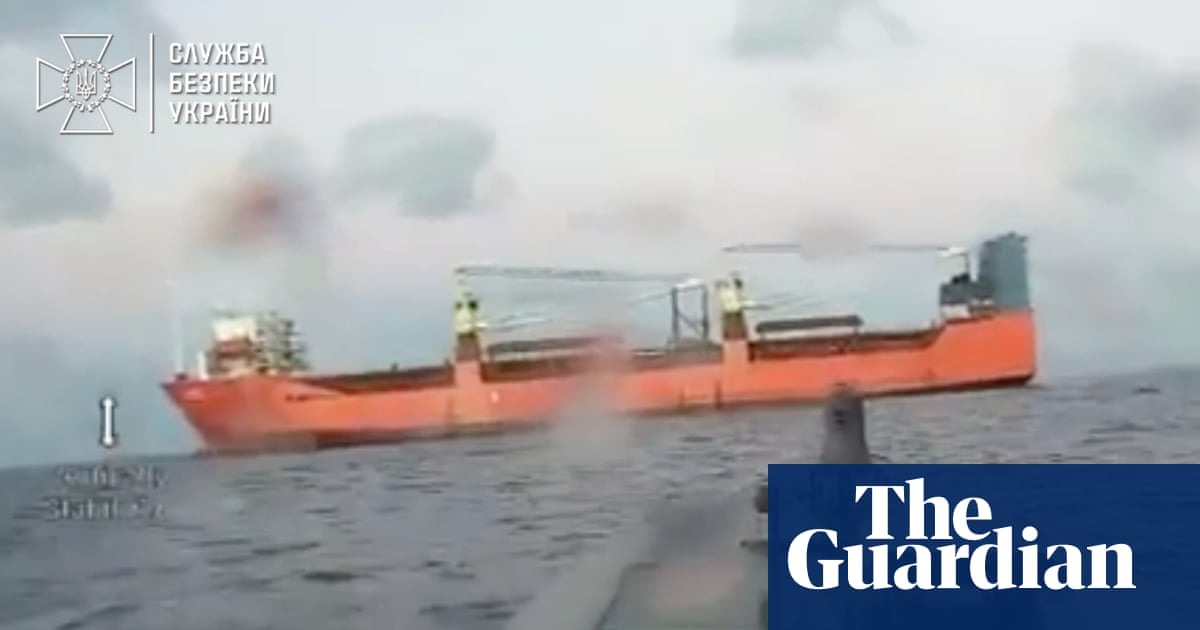
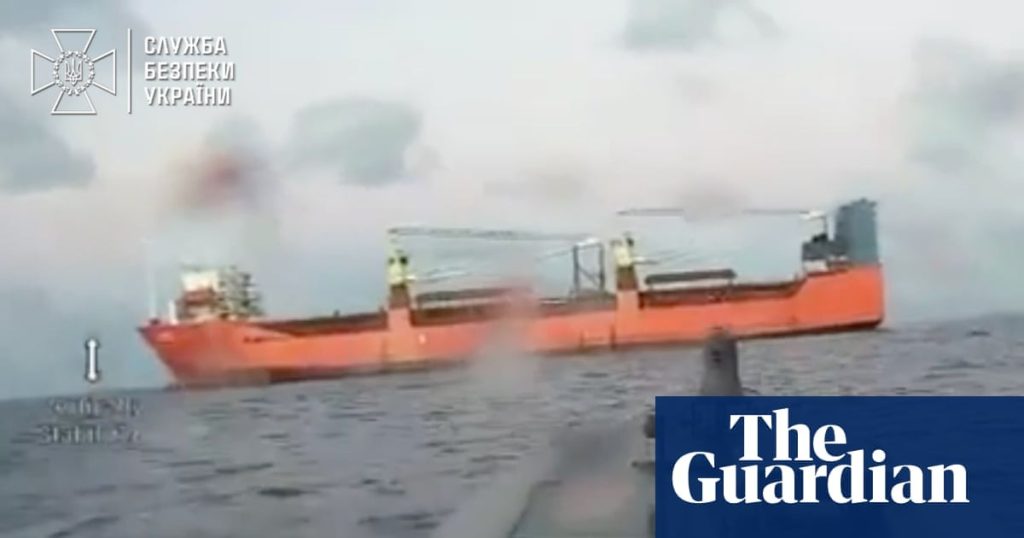
The first documented strike beyond Europe occurred in December 2025 when a Ukrainian drone hit an oil tanker belonging to Russia’s “shadow fleet” in the Mediterranean, near the Greek and Libyan coasts. That operation was described as the war’s inaugural attack in the area. In early November, President Volodymyr Zelenskyy claimed Ukrainian forces sank a Russian warship and a cargo vessel off Libya’s coast, asserting they were transporting military equipment.
Libyan fallout
The Libyan episode sparked diplomatic friction. Ukraine’s foreign minister Andrii Sybiha posted on X that Kyiv regretted the “unintended consequences” of the strike on vessels docked in the port of Benghazi, stressing the operation was aimed at Moscow, not Libya. Two members of the Libyan army were killed, prompting condemnation from both the Tripoli‑based Government of National Unity and the eastern‑based Libyan National Army, which maintains ties with Moscow.
Sybiha added that Ukraine has no intention of extending the conflict to Libya or any other nation, and he has been in talks with his Libyan counterpart to smooth relations. The episode underscores how Ukraine’s expanding reach can entangle distant partners in the war’s fallout.
US diplomatic overture
In Washington, former President Donald Trump announced on his Truth Social platform that he had asked Russian President Vladimir Putin to “pull back all military aggression” against Europe. The comment came after Trump hosted NATO secretary‑general‑designate Mark Rutte in Florida, where both urged Russia not to broaden the Ukraine war. Trump did not name specific territories, but said the request could help pave the way for a peace deal to end the conflict.
His remarks marked a noticeable shift in tone toward Moscow, though analysts caution that without clear commitments from either side, the statement may have limited practical effect.
Zelensky warns of looming Russian offensive
Amid the heightened strike activity, Zelensky delivered a stark warning in his nightly video address. “Unfortunately, we have information about a new mass strike being prepared by the Russians,” he said, urging citizens to stay alert to missile alarms and promising that “we will rebuild what is ours and retaliate against every Russian strike.” This is the second alert from the president this week, suggesting Kyiv believes a major Russian assault could be imminent.
The combination of Kyiv’s expanding long‑range capabilities, the diplomatic ripples in Libya, and renewed U.S. engagement illustrates a war that is increasingly global in scope, even as both sides brace for potentially decisive moves on the battlefield.
Source: The Guardian
Spotted an error? Report an error or use our contact form | Corrections policy