
By NewsWaveUSA Team | Published: November 25, 2026 · 2:51 AM ET | Last updated: November 25, 2026 · 2:51 AM ET
Source: BBC News
Tiny four‑wheelers are cruising from villages to city streets across Europe, reshaping how teens and seniors alike get around. The surge in licence‑free micro‑cars, many of them electric, follows tighter rules on mopeds and a wave of subsidies that made the vehicles affordable. Yet drivers still grapple with speed limits and safety worries on roads built for faster traffic.
A new breed of road‑legal quadricycle
The market for motorised quadricycles – essentially four‑wheel mopeds – has exploded in recent years. In France, registrations climbed from roughly 13,000 in 2019 to about 25,000 last year, while Europe‑wide sales doubled from 30,000 to 60,000 between 2019 and 2024. The turning point arrived in 2020 when Citroën launched the Ami, an electric model that appealed to younger buyers; today teenagers represent a quarter of all micro‑car purchases.
These vehicles are limited to 45 km/h (28 mph) and can be driven without a full driving licence. In France and Italy, a 14‑year‑old can take the wheel after completing a road‑safety course and eight hours of training. Germany and Spain set the minimum age at 15, and the United Kingdom requires drivers to be 16.
Driving without a licence – a lifeline for rural residents
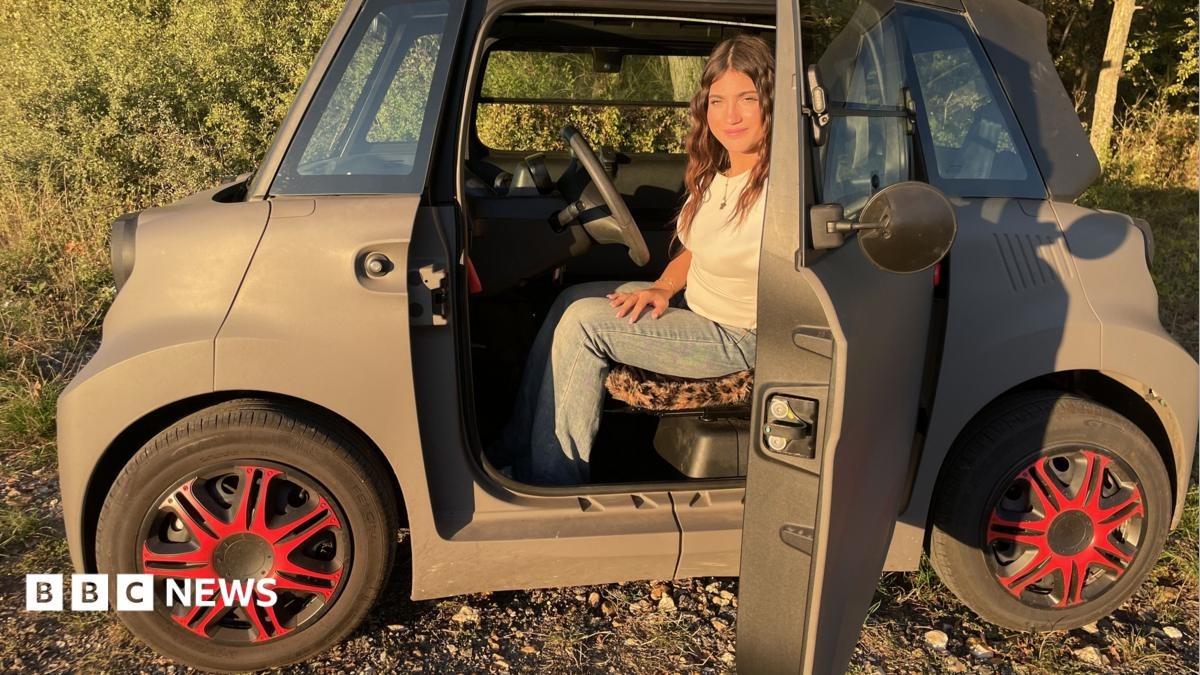
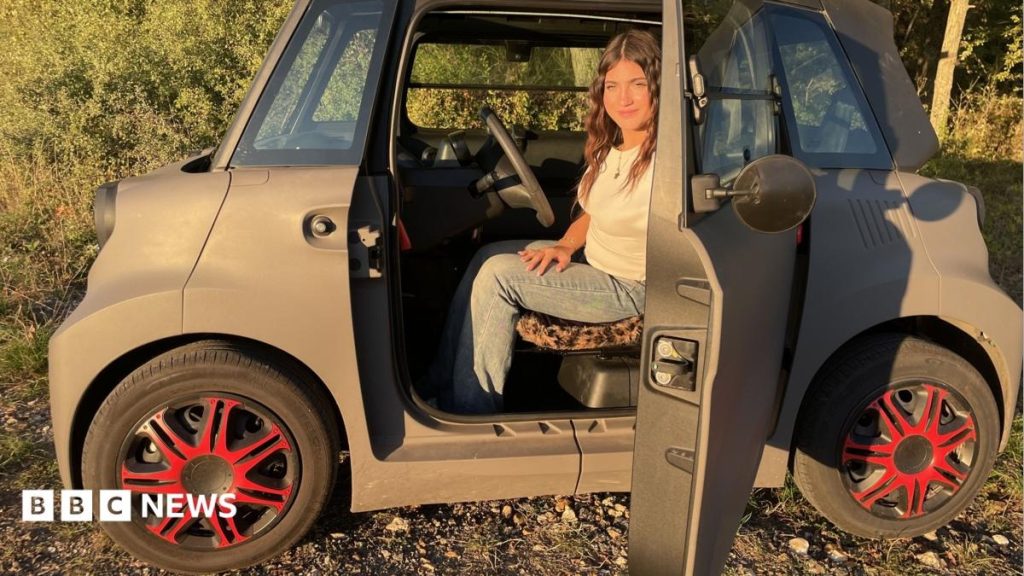
For 16‑year‑old Selena Buse, the Ami is more than a novelty. Living in a remote French village, she says the car is essential for getting to school and visiting friends on weekends. “I needed something reliable for the daily commute, and this little vehicle fits the bill perfectly,” she explains.
Older drivers also find the cars useful. Daniel Laprès, a 77‑year‑old Canadian who moved from Paris to the countryside, lost his French licence shortly after arriving. “We tried relying on taxis, but it didn’t work out. Discovering a vehicle you can operate without a licence solved our problem instantly,” he says. The low purchase price, minimal running costs and straightforward insurance make the quadricycle an attractive alternative when public transport is scarce.
Safety on slower wheels
Despite their convenience, the tiny cars raise safety concerns. Their modest top speed can frustrate drivers on busier roads, and Laprès recounts an unsettling experience on a national highway where trucks zipped past his slow‑moving vehicle. “I felt exposed, especially with large trucks closing in from behind,” he admits. By law, these quadricycles are banned from motorways, but they still share medium‑speed routes with cars traveling at 110 km/h, creating a mismatch that some drivers find unnerving.
Laprès also worries about the cars’ structural integrity. “They’re essentially metal boxes on wheels. You’re not going fast, but a collision with a heavier vehicle could be dangerous,” he notes.
Market shifts and the electric future
Industry analysts say the surge in licence‑free cars is linked to stricter EU standards for two‑wheelers, which made mopeds and scooters less viable after 2020. “Manufacturers found it costly to meet the new regulations, so they pivoted to quadricycles, many of which are electric,” explains Marie‑Laure Nivot of AAA Data. She projects that by 2026 more than two‑thirds of new licence‑free models will be electric.
The French market, once dominated by niche makers like Aixam and Ligier, welcomed the entry of Stellantis’s Citroën brand. While the larger company brought marketing muscle, it also helped raise public awareness that teens as young as 14 could legally drive these vehicles. However, sales in France have plateaued after the government phased out subsidies for electric micro‑cars, suggesting the growth may temper without continued financial incentives.
Across the continent, the tiny car phenomenon reflects a blend of regulatory change, affordability and evolving consumer needs. Whether they become a permanent fixture on European roads or a passing trend will depend on how policymakers balance safety, environmental goals and the desire for accessible mobility.
Source: BBC News
Spotted an error? Report an error or use our contact form | Corrections policy