
By NewsWaveUSA Team | Published: November 25, 2026 · 2:51 AM ET | Last updated: November 25, 2026 · 2:51 AM ET
Source: BBC News
A new British survey finds that a third of people aged 16‑24 have never had sex, while half have exchanged sexual images and most young men admit to watching pornography. The National Survey of Sexual Attitudes and Lifestyles (Natsal) also shows adults under 45 are having sex less often than a generation ago, prompting researchers to question what’s reshaping intimacy in the UK.
Less sex, more screens
The fourth Natsal study, published in The Lancet, interviewed 6,700 randomly selected Britons aged 16‑59 between 2022 and 2024. Among the youngest cohort, 38 % of women and 28 % of men reported never having had sexual intercourse, up from roughly one‑in‑five in surveys from 1990, 2000 and 2010. Across all adults, the average frequency fell from once a week in the early 1990s to about once every two weeks today; women now average one encounter a month, men about two.
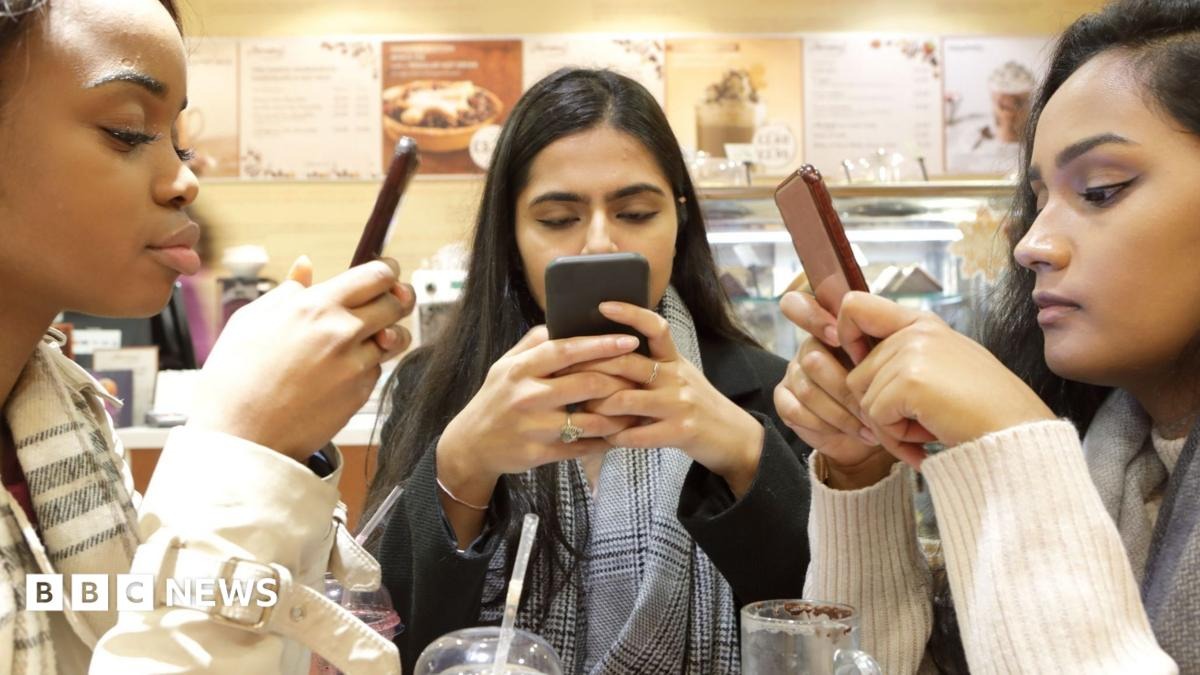
At the same time, digital intimacy is thriving. Fifty‑seven percent of 16‑24‑year‑olds said they had sent or received a sexual image on their phone in the past year. Pornography consumption is even higher: 86 % of young men and 50 % of young women admitted to viewing porn, while overall, 37 % of women said they had done so in the last twelve months. Researchers note that those who have never had sex are less likely to masturbate or watch porn, suggesting online activity isn’t simply a substitute for physical contact, though the link remains unclear.
Why the shift?
Co‑researcher Prof. Wendy Macdowall of the London School of Hygiene & Tropical Medicine cautions against blaming screen time alone. “Many other factors are at play, especially for young people,” she said. Declining alcohol consumption, more youths living at home longer, rising mental‑health challenges and the lingering effects of the COVID‑19 pandemic all appear to dampen opportunities for in‑person intimacy. An expanding conversation around consent may also empower some to delay sex until they feel ready.
Soazig Clifton, a Natsal team member from University College London, flagged a future research frontier: the impact of artificial intelligence on sexual behaviour. “When we did our fieldwork in 2022‑24 that seemed a little bit sci‑fi. In the future we might be looking at AI companions,” she said, noting the current survey did not ask about virtual relationships or chatbots.
Health and family planning implications
The data reveal a mixed picture for sexual health. Unprotected sex remains common, raising concerns about unintended pregnancies and sexually transmitted infections. Use of the oral contraceptive pill has slipped among young women, while the proportion of women aged 16‑44 who say they do not want children has doubled from 8 % a decade ago to 17 %. Dr. Laura Oakley, also of LSHTM, argues that understanding whether economic insecurity, climate anxiety or shifting life priorities drive these trends should be a research priority, given the downstream effects on health services and family‑planning resources.
Emotional fallout is evident too. One‑in‑seven women (14 %) reported ongoing upset about past sexual experiences, and the same share of men said they feel shame about certain sexual thoughts or desires. These figures echo earlier Natsal findings that regret over early sexual activity was once the most common lament among young people losing their virginity.
What’s next?
While the survey paints a clear trend toward less frequent partnered sex and greater digital sexual expression, it does not provide definitive answers about causality. Researchers plan to broaden future questionnaires to include AI‑driven intimacy and to explore how changing social norms intersect with mental‑health trajectories. For now, the findings highlight a generation navigating intimacy in a world where screens, consent culture and economic uncertainty intersect in unprecedented ways.
Source: BBC News
Spotted an error? Report an error or use our contact form | Corrections policy