
By NewsWaveUSA Team | Published: November 26, 2026 · 12:12 AM ET | Last updated: November 27, 2026 · 1:37 PM ET
Source: The Hill News
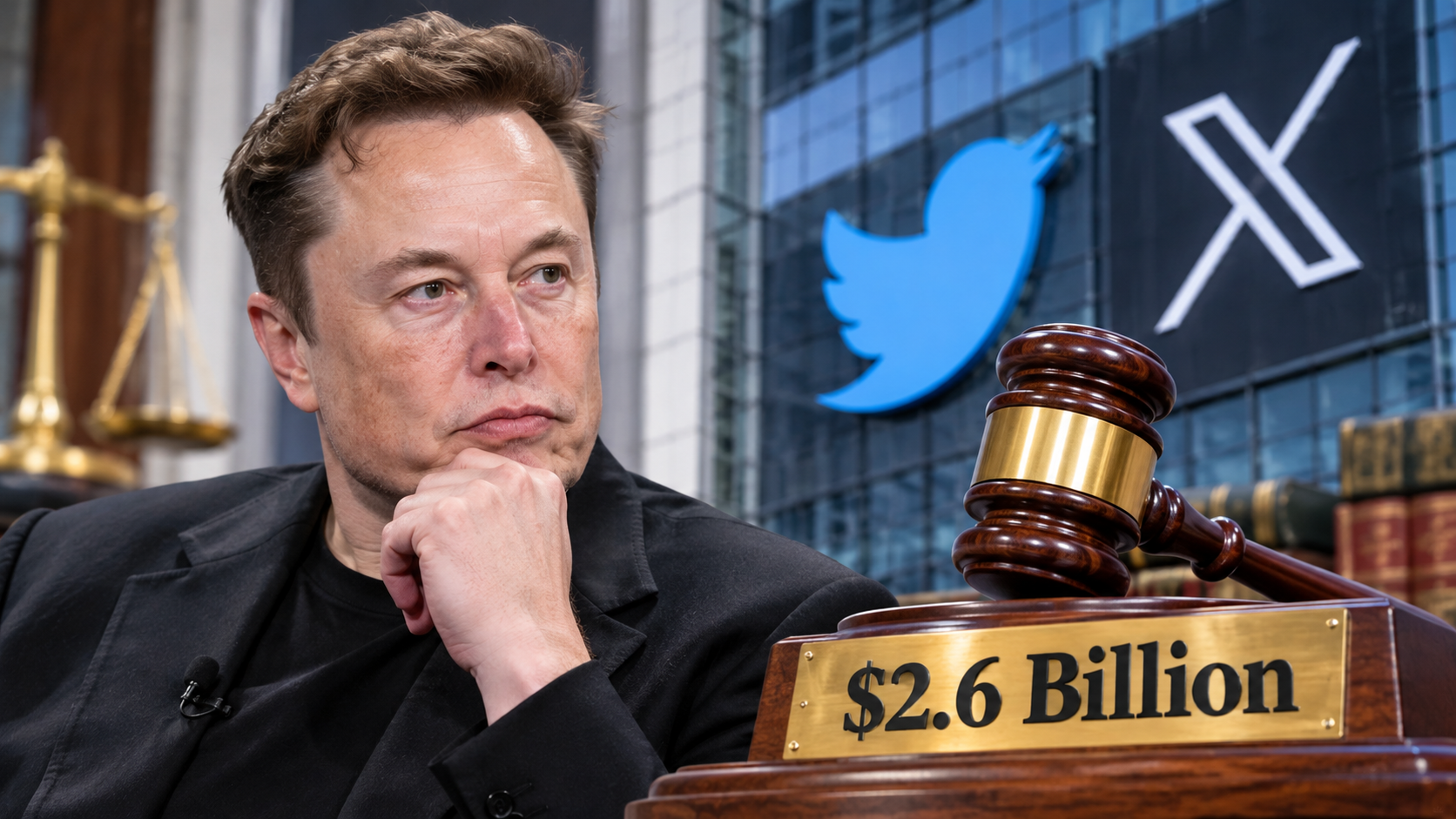
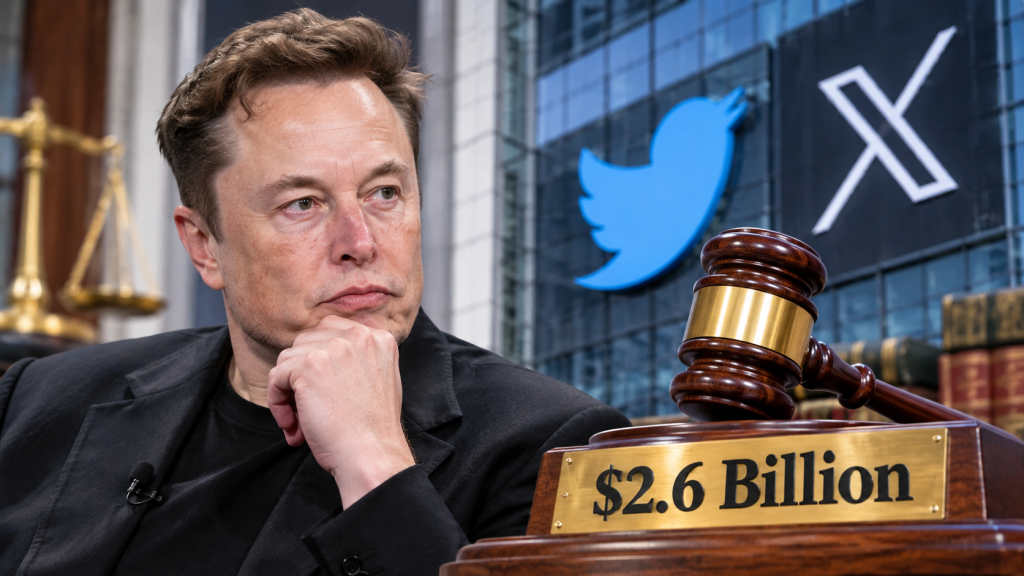
Elon Musk has asked the U.S. Court of Appeals for the Ninth Circuit to overturn a jury verdict that found he defrauded Twitter shareholders during his 2022 $44 billion takeover. The brief, filed Monday night, seeks to reverse a $2.6 billion judgment that stemmed from claims he deliberately drove down the social‑media company’s stock price. The appeal adds another chapter to a legal battle that has kept the billionaire’s high‑profile acquisition in the courtroom spotlight.
Background of the shareholder lawsuit
In 2022, Musk announced a deal to buy Twitter for roughly $44 billion, a transaction that sent the company’s share price tumbling. A group of shareholders later filed a lawsuit alleging that Musk used false statements and strategic moves to depress the stock, thereby reducing the purchase price he would have to pay. The case proceeded to a jury trial, where the panel concluded that Musk’s actions constituted fraud against the investors.
The jury’s $2.6 billion verdict
The verdict, handed down earlier this year, ordered Musk to pay $2.6 billion in damages. The amount reflects the court’s assessment that the alleged misconduct cost shareholders billions in lost value. While the judgment did not overturn the acquisition itself, it placed a substantial financial burden on Musk and his holding companies, prompting a swift legal response.
Musk’s appeal to the Ninth Circuit
On Monday night, Musk’s legal team submitted a brief to the Ninth Circuit Court of Appeals, arguing that the jury’s finding was legally flawed. The brief contends that the evidence did not support a fraud claim and that the damages calculation was excessive. By filing the appeal, Musk is asking the appellate judges to review the trial record, assess the legal standards applied, and potentially vacate the verdict.
Potential implications of the appeal
If the Ninth Circuit upholds the jury’s decision, Musk could be on the hook for the full $2.6 billion, a sum that would likely be absorbed by his broader portfolio of companies and personal assets. An overturn, however, would relieve him of that liability and could set a precedent for how high‑profile corporate takeovers are scrutinized in court. Legal analysts note that appeals in fraud cases often hinge on whether the trial court correctly instructed the jury on the elements of deception and causation.
What comes next?
The appellate process can take months, if not longer, depending on the complexity of the issues and the court’s docket. Both sides have indicated they will be prepared for an extended legal fight. Meanwhile, Twitter—now rebranded as X—continues to operate under Musk’s ownership, navigating the same regulatory and market pressures that surrounded the original deal.
The appeal underscores how massive corporate transactions can generate lingering legal challenges, especially when shareholders feel misled. As the Ninth Circuit reviews the case, the outcome will likely reverberate beyond Musk’s personal fortunes, influencing how future mergers and acquisitions are disclosed to the investing public.
Source: The Hill News
Spotted an error? Report an error or use our contact form | Corrections policy