
By NewsWaveUSA Team | Published: November 26, 2026 · 11:34 PM ET | Last updated: November 26, 2026 · 11:34 PM ET
Source: BBC News
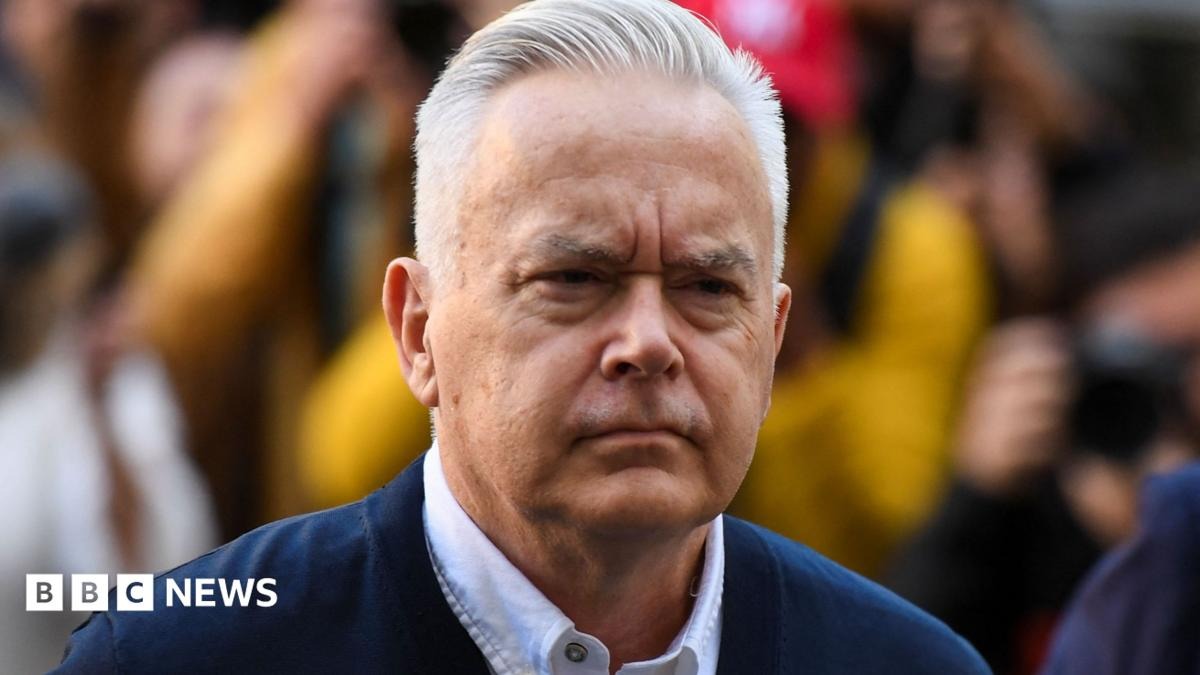
Huw Edwards, the former face of BBC News, has spoken on a Channel 4 documentary and an Observer podcast for the first time since his 2024 conviction for possessing indecent images of children. The interviews, released this week, have sparked a fresh wave of criticism from politicians, former colleagues and abuse survivors, while the broadcaster argues the film holds the disgraced presenter to account.
Conviction and sentencing
Edwards pleaded guilty in July 2024 to three counts of creating indecent images of minors. A court record shows he admitted to possessing 41 pictures that were sent to him via WhatsApp, some depicting children as young as seven. The judge imposed a suspended six‑month prison term, allowing the former senior news anchor to avoid immediate incarceration but leaving a criminal record that has haunted his public life.
New media appearances
The first interview appears in a Channel 4 documentary titled Huw Edwards – Guilty, set to air on Tuesday. Director Patrick Forbes says the film “holds Edwards to account with no questions off limits,” allowing the presenter to explain “what led to his offending and very public downfall.” In a trailer, Forbes asks the former anchor what he was doing, prompting a terse response: “Oh, you want me to analyse what I was doing? I mean, seriously?” The interview escalates when Edwards snaps, “No, not come on,” after being urged to elaborate.
Separately, the Observer’s Tortoise Investigates podcast features Edwards discussing the same period. In a clip, he remarks, “Lots of the advice I’ve had is just be quiet, don’t say anything,” before the host, former BBC Today editor Ceri Thomas, probes the “unbelievable, terrible fix” that landed a man of his stature in legal trouble.
Edwards’ rationale
On his personal blog, Edwards wrote that he “did not avoid a single question” and answered each as honestly as possible, covering “deeply personal matters: my relationships, my temperament, my sexuality.” He argues that media coverage has been “misleading or simply untrue,” and that the only way to correct the record is to speak directly. “I was left with a choice: to let that faulty account stand forever, or to offer my own,” he says.
Political and public backlash
Labour minister Anna Turley told LBC that she feels “deeply uncomfortable” with the interviews, while shadow culture secretary Rebecca Paul declared, “This man shouldn’t get a minute of airtime.” The criticism extends beyond politicians. Three individuals who previously reported inappropriate behavior by Edwards to BBC News described the new platforms as “bizarre” and “disgusting,” accusing Channel 4 of giving a convicted sex offender a chance at “damage repair.” One anonymous former colleague, not linked to the court case, called the move “incredibly bizarre” and expressed annoyance at Edwards’ ability to air his opinions.
The Sunday Times’ chief news correspondent Rosamund Urwin, who co‑led the paper’s 2023 investigation into Russell Brand, responded to Thomas’s description of Edwards’ situation, noting that “an ‘unbelievable terrible fix’ is quite the euphemism for someone viewing child abuse images of victims as young as 7.”
Channel 4’s defence
A Channel 4 spokesperson told the BBC that the documentary is “an important film to make,” highlighting its relevance to “celebrity culture, the power of the media, and enduring questions about crime and punishment.” The broadcaster maintains that the director’s experience ensures a balanced, probing interview that does not shy away from the hardest topics.
The two pieces will be released on Tuesday, prompting renewed debate over whether a convicted offender should be allowed a public forum to tell his side of the story.
Source: BBC News
Spotted an error? Report an error or use our contact form | Corrections policy