
By NewsWaveUSA Team | Published: November 26, 2026 · 11:34 PM ET | Last updated: November 26, 2026 · 11:34 PM ET
Source: Home – CBSNews.com
The Environmental Protection Agency said it will begin receiving laboratory results as early as tomorrow after the U.S. Army detonated a five‑ton cache of deteriorating explosives at the Iowa Army Ammunition Plant. Early testing shows no airborne lead in the surrounding area, but officials are still analyzing thousands of samples from homes, schools and water sources to confirm the blast left no hidden hazards.
Why the explosion was deemed necessary
The Middletown plant, a small community in Iowa, had stored roughly 10,000 pounds of lead azide for decades. The compound, first used in ammunition during World War I, had begun to recrystallize over the last 20 years, making it increasingly sensitive to friction and shock. Army officials warned that the material could detonate unintentionally, prompting a controlled blast on Wednesday to eliminate the risk. The decision sparked a fierce backlash from local residents and environmental groups who feared a plume of toxic dust would drift into farms, schools and the Mississippi River watershed.
Legal battles and a brief court stay
The 8th Circuit Court of Appeals briefly blocked the detonation last week while it considered a longer‑term injunction. On Monday the judges lifted the stay, finding that the challengers had not demonstrated a likelihood of success on the merits. The temporary pause added a layer of drama to an already tense situation, with critics accusing the Army of moving too quickly and the administration of failing to alert senior officials in Washington.
EPA’s massive sampling effort
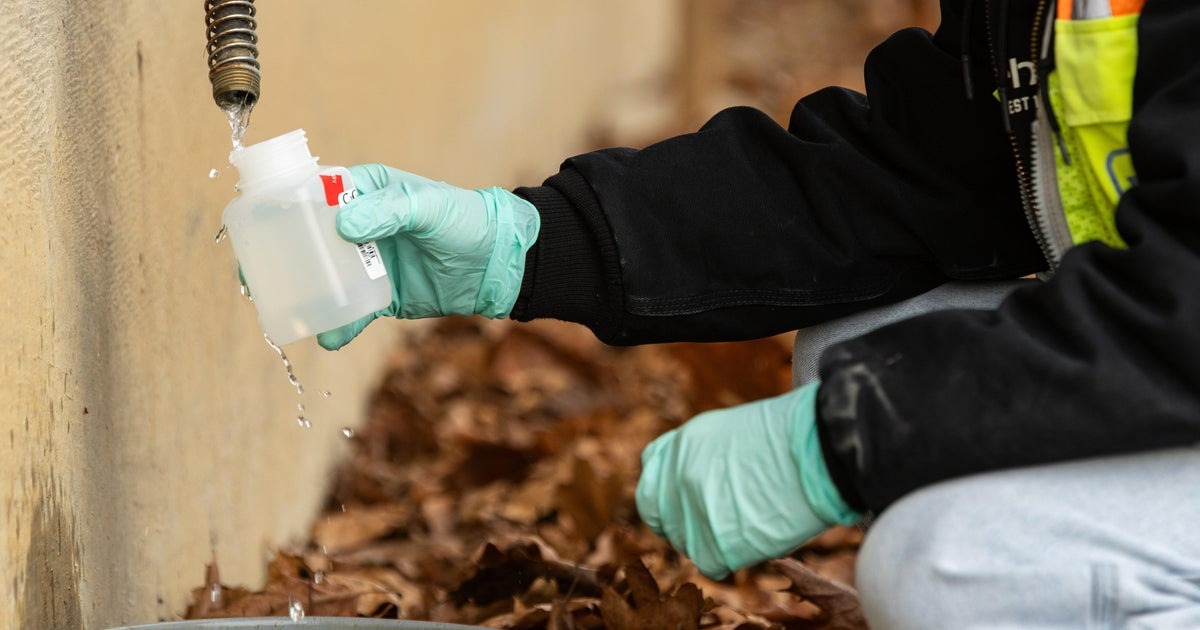
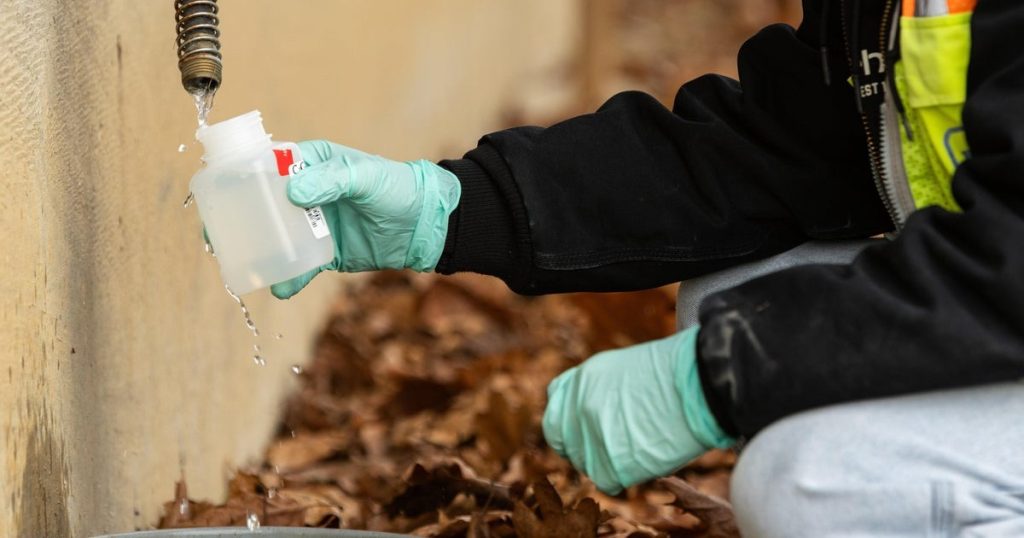
In the days leading up to the blast, EPA teams collected more than 1,500 air, water, soil and dust samples from over 130 structures, including homes, daycare centers, churches and schools. After the explosion, an additional 1,000 plus samples were taken to track any fallout. The agency sent the material to a network of federal and private laboratories for analysis. “The agency is testing for everything we were anticipating could potentially be released as a result of the controlled detonation,” the EPA said in a Thursday news release. So far, preliminary data show no detectable airborne lead across the region, though the agency continues to test for other possible contaminants.
Political reactions and next steps
The operation reached the White House, prompting internal questions about why senior officials were not looped in earlier. Sources familiar with the matter told CBS News that the episode sparked a “chaotic lead‑up” that left the Trump administration scrambling for answers. President Donald Trump, however, praised the outcome, declaring the detonation had “exceeded expectations.” EPA officials expect to receive the first batch of laboratory results as soon as Friday, after which they will issue a comprehensive public report on any lingering environmental or health concerns.
What residents can expect
Local authorities have urged community members to stay tuned for updates from the EPA, which will detail any recommended actions such as water testing or soil remediation. The agency’s rapid testing protocol—spanning air, water, soil and dust—aims to provide a clear picture of any residual contamination. If the final results confirm the preliminary findings, the region could move forward without the lingering shadow of lead‑related health risks.
Source: Home – CBSNews.com
Spotted an error? Report an error or use our contact form | Corrections policy