
By NewsWaveUSA Team | Published: November 29, 2026 · 2:50 AM ET | Last updated: November 29, 2026 · 2:50 AM ET
Source: Home – CBSNews.com
A 5.0‑magnitude tremor rattled Southern California on Saturday morning, followed by a cascade of aftershocks that kept residents on edge throughout the day. While the initial shake caused only minor damage, officials warned that more quakes could still arrive.
Initial quake and aftershock swarm
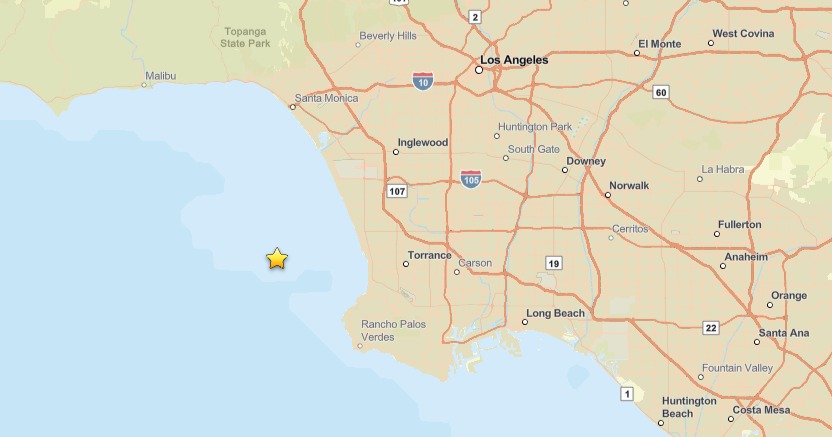
The U.S. Geological Survey recorded the main shock at 9:30 a.m. Pacific time, centered roughly six miles offshore of Manhattan Beach and originating about 5.6 miles beneath the surface. A second, 4.5‑magnitude tremor struck at 11:41 a.m. near Hermosa Beach, and the USGS logged nearly 20 aftershocks above magnitude 2.5 by evening, including a 4.0‑magnitude jolt around 8:10 p.m. By late afternoon, seismologists counted more than 80 aftershocks in total, describing the sequence as “relatively robust.”
City and state officials respond
Los Angeles Mayor Karen Bass urged residents to stay vigilant, reminding them to drop, cover and hold on if shaking recurs. “A preliminary 5.0‑magnitude earthquake centered near Manhattan Beach was felt across Los Angeles at 9:30 AM this morning,” Bass said, adding that the Los Angeles Fire Department (LAFD) had re‑activated its earthquake mode after the 11:41 a.m. aftershock. A later statement noted that the LAFD completed a second citywide assessment and stood down from earthquake mode, finding no major damage to critical infrastructure.
Governor Gavin Newsom’s office confirmed that the state’s Office of Emergency Services was coordinating with local agencies, though details of the response were not disclosed. Meanwhile, the Los Angeles Emergency Management Department issued an advisory around 3 p.m., warning that aftershocks were likely to continue and that crews were conducting windshield surveys to document any damage.
Impact on transportation and industry
Los Angeles International Airport saw a handful of broken windows and loose ceiling tiles, but flight operations carried on without interruption. Minor glass breakage inside a terminal was the most visible sign of shaking at the airport. In the South Bay, some residents reported picture frames falling from walls, but no serious injuries were reported.
The earthquakes also triggered automated safety systems at nearby oil refineries. Chevron’s El Segundo facility and the Torrance Refinery each experienced brief, unplanned flaring as a precaution. Chevron told local officials that the flare posed no safety risk, and Torrance officials confirmed that no off‑site impact had been reported.
Scientific perspective and tsunami outlook
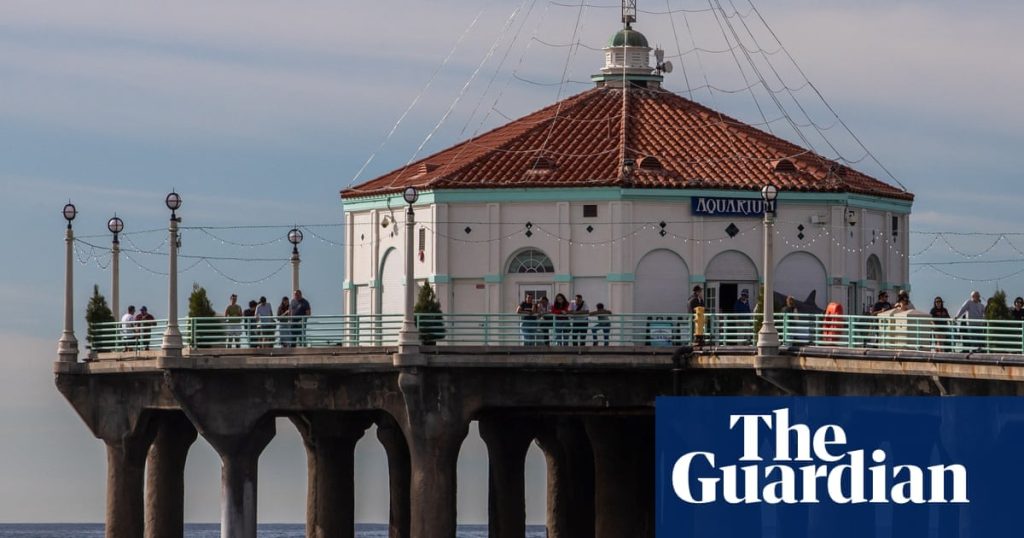
Renowned seismologist Lucy Jones addressed the media on Saturday, emphasizing that the offshore location of the quake helped limit damage. “Shaking dies off very rapidly with distance,” she explained. “By being offshore, we’ve reduced that to a certain extent … I can’t imagine that we’re looking at anything really significant.” The National Tsunami Warning Center also declared there was no tsunami threat, though piers at Manhattan Beach and Hermosa Beach were closed as a precaution.
As the day wore on, officials reminded the public that aftershocks can feel as strong as the original event. The city’s advisory reiterated the familiar safety mantra: if you feel shaking, drop, cover, and hold on.
Source: Home – CBSNews.com
Spotted an error? Report an error or use our contact form | Corrections policy