
By NewsWaveUSA Team | Published: November 26, 2026 · 11:34 PM ET | Last updated: November 26, 2026 · 11:34 PM ET
Source: BBC News
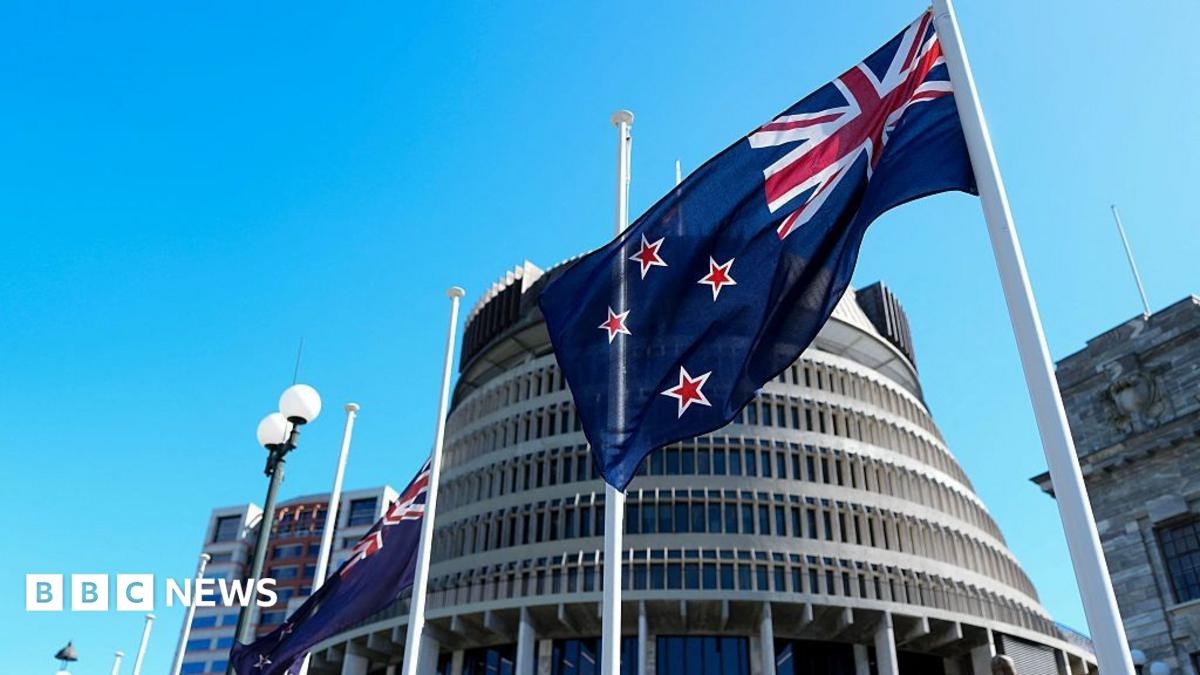
New Zealand’s governing coalition fell one seat short of a majority after Friday’s official count, leaving Prime Minister Christopher Luxon’s National Party to seek support from the centrist Opportunity Party. Without a deal, the nation could face another round of elections.
Election night numbers
The final tally shows National with 40 of the 130 seats in parliament. Its partners, ACT and New Zealand First, added 13 and 12 seats respectively, bringing the bloc to 65 – just one shy of the 66 needed to command a stable government. The left‑leaning alliance led by Labour secured 36 seats, while the Greens captured 17 and Te Pāti Māori took five. Opportunity, described by observers as the kingmaker, entered parliament with seven seats.
Special votes tip the balance
Preliminary results on election day, 7 November, suggested a narrow lead for the National coalition over the progressive bloc. However, special votes – ballots cast by overseas voters and those outside their home electorates – shifted the final picture, costing the National side two seats. Historically, those votes tend to favor parties on the left, a pattern that played out here.
Negotiations ahead
Opportunity leader Qiulae Wong told reporters her party would enter talks with National but emphasized that all options remain on the table. “There are seven parties in parliament and everyone is responsible for making sure we do everything we can to deliver a stable government for New Zealand. It’s not just up to us,” she said on Friday. The upcoming weeks will determine whether a confidence‑and‑supply agreement can be struck or whether the country will head back to the polls.
Policy promises and voter mood
National campaigned on lower taxes, cheaper energy, expanded renewable generation and a stronger defence posture. Labour, meanwhile, pledged cuts to healthcare, public transport and fuel costs, alongside increased funding for social housing. The mixed‑member proportional system forces parties to form coalitions, a reality that has left many voters uneasy.
Interviews conducted by the BBC revealed a pervasive sense of frustration. Twenty‑one‑year‑old Imogen Vlutger described the atmosphere as “a kind of apathy and a bit of dread.” Another respondent, a 40‑year‑old man, admitted he abstained because he could not bring himself to endorse any party. A recent Helen Clark Foundation poll found that more than half of New Zealanders no longer view the country as a land of opportunity, a sentiment echoed by the record outflow of residents to Australia, including former prime minister Jacinda Ardern.
What’s at stake?
If Opportunity refuses to back the National coalition, the parliament will be forced into a deadlock, potentially triggering a snap election. That scenario would extend political uncertainty at a time when the economy is sluggish and unemployment remains high. Analysts warn that repeated elections could further erode public confidence and strain the country’s fiscal resources.
For now, the nation watches as the Opportunity Party weighs its leverage against the need for stability. The outcome will shape New Zealand’s policy direction for the next few years and test the resilience of its proportional representation system.
Source: BBC News
Spotted an error? Report an error or use our contact form | Corrections policy