
By NewsWaveUSA Team | Published: November 28, 2026 · 1:18 AM ET | Last updated: November 28, 2026 · 1:18 AM ET
Source: BBC News
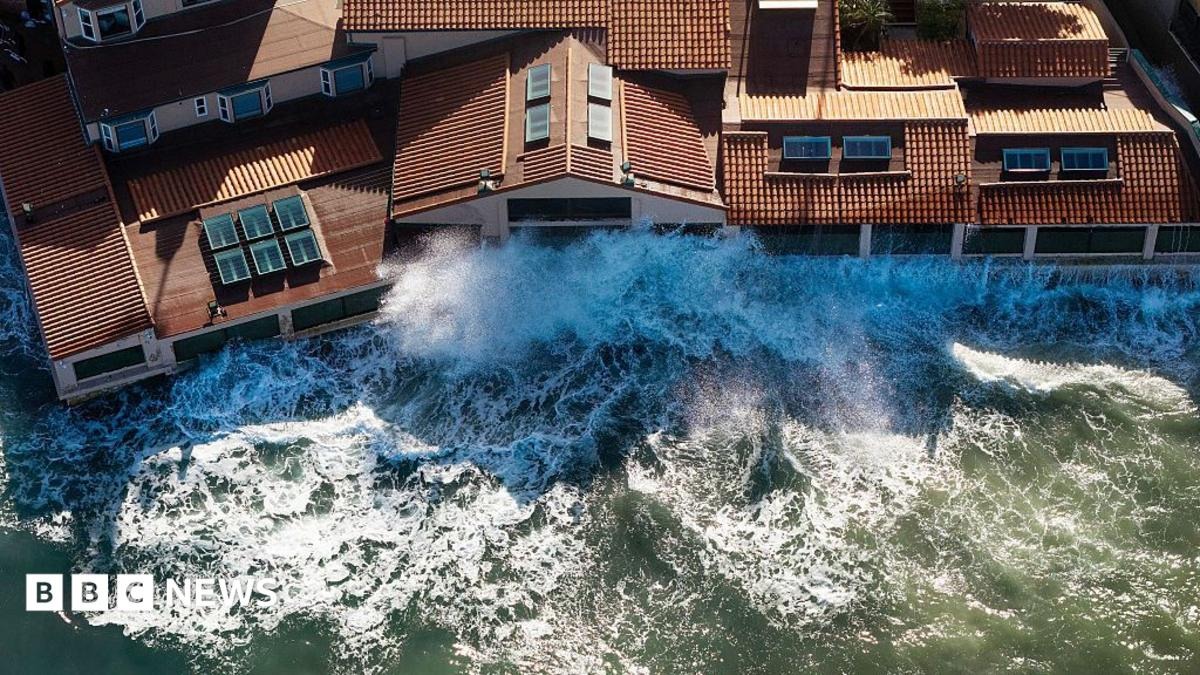
More than a quarter‑million Americans were still living without electricity Friday after a pair of powerful storms battered both coasts on Thanksgiving. The eastern system dumped record rain on New York City, toppled trees and flooded streets, while an unusually high tide on the West Coast sent waves crashing over piers. Travel remained snarled, with thousands of flights delayed or cancelled and commuters coping with flooded roads and closed bridges.
East Coast power loss and flooding
The storm that slammed the Atlantic seaboard on Thursday brought gale‑force winds, heavy rain and coastal surges that left Pennsylvania with the highest number of outages early Friday, according to Poweroutage.us. At the peak of the crisis nearly one million homes were without power, but the figure fell to about 360,000 households by Friday afternoon and dropped further to just over 260,000 by evening. Governor Josh Shapiro of Pennsylvania said utility crews were working “tirelessly” to restore service, while Maryland officials temporarily urged two million customers to restrict water use after intermittent outages.
Rainfall was extraordinary. Central Park recorded almost two inches of precipitation, making it the wettest Thanksgiving on record for that landmark. In Washington, D.C., tidal waters surged onto the runways at Reagan National Airport, prompting runway closures. Delaware’s shoreline was battered by waves that spilled onto the boardwalk, and bridges in Maryland were shut down as winds ripped through the area. New Jersey saw streets turned into rivers; a local blogger filmed himself wading waist‑deep in water and posted, “This is wild,” on social media.
The iconic Macy’s Thanksgiving Day Parade, a fixture of the holiday for a century, was postponed to Saturday – the first delay in its history. State of emergency declarations were issued in several states, including New York, as officials scrambled to clear flooded roadways and assess damage.
Travel disruptions on both coasts
Air travel suffered heavily. FlightAware reported more than 2,500 U.S. flights delayed and over 450 cancelled on Thanksgiving itself. By Friday, those numbers swelled to more than 3,400 delayed flights and nearly 670 cancellations. One passenger recounted being stranded at LaGuardia Airport for 13 hours while trying to reach Chicago for the holiday. The ripple effect extended to the West Coast, where high tides exceeding eight feet prompted beach‑goers to stay inland and forced Amtrak’s Pacific Surfliner to cancel several trains due to washout conditions.
In addition to the immediate chaos, President Donald Trump signaled that emergency funding could be released to help the hardest‑hit communities. While the eastern storm is expected to move into Canada’s Nova Scotia and Newfoundland on Saturday, meteorologists warned that another deep low‑pressure system could arrive on Monday, bringing more rain and wind that may further disrupt travel.
West Coast high tides and coastal damage
California’s coastline experienced some of the highest tides on record this week. San Diego and Los Angeles reported tides over eight feet, prompting officials to advise the public to avoid beaches. In Pacifica, a massive wave smashed into the municipal pier, causing a section to collapse. Oregon footage showed a man and his dog being swept out to sea by the surge, underscoring the danger of the unusually high water levels.
The combination of extreme weather on both coasts has left a stark reminder of how vulnerable infrastructure remains to rapid climate‑driven events. Power crews, emergency responders and transportation officials are working around the clock to restore normalcy, but many households and commuters face a prolonged recovery period.
Source: BBC News
Spotted an error? Report an error or use our contact form | Corrections policy