
By NewsWaveUSA Team | Published: November 26, 2026 · 12:12 AM ET | Last updated: November 26, 2026 · 12:12 AM ET
Source: The Guardian
Russia’s use of riot‑control agents on the front lines has drawn a rare rebuke from more than three dozen nations, after the Organisation for the Prohibition of Chemical Weapons confirmed traces of tear‑gas in a Ukrainian trench hit by a Russian grenade. The call comes as both sides step up strikes, with Kyiv reporting a hit on a Russian airbase and Moscow launching missiles into Kyiv’s capital.
Global leaders demand an end to chemical munitions
Officials representing 34 countries and the European Union issued a joint statement Wednesday urging Moscow to stop deploying riot‑control chemicals as weapons of war. The appeal was timed with a Ukrainian report that had been circulated to 193 states, coinciding with the OPCW’s session in The Hague. Kyiv says it has logged more than 14,000 instances since 2022 where Russian forces used munitions filled with toxic crowd‑control substances on the battlefield.
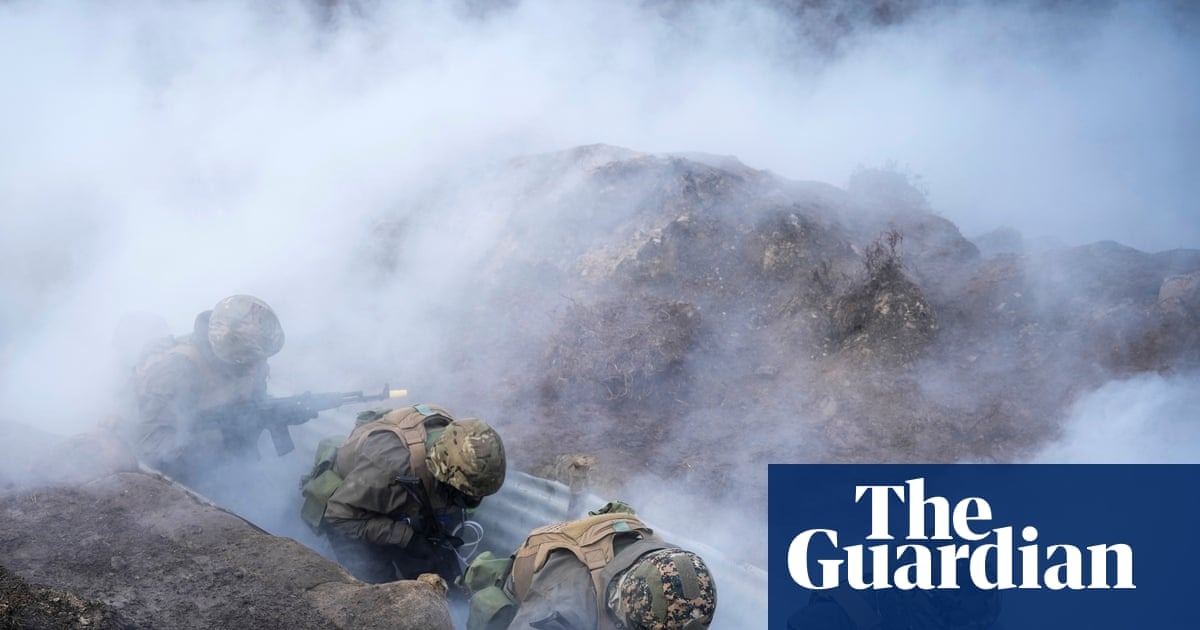
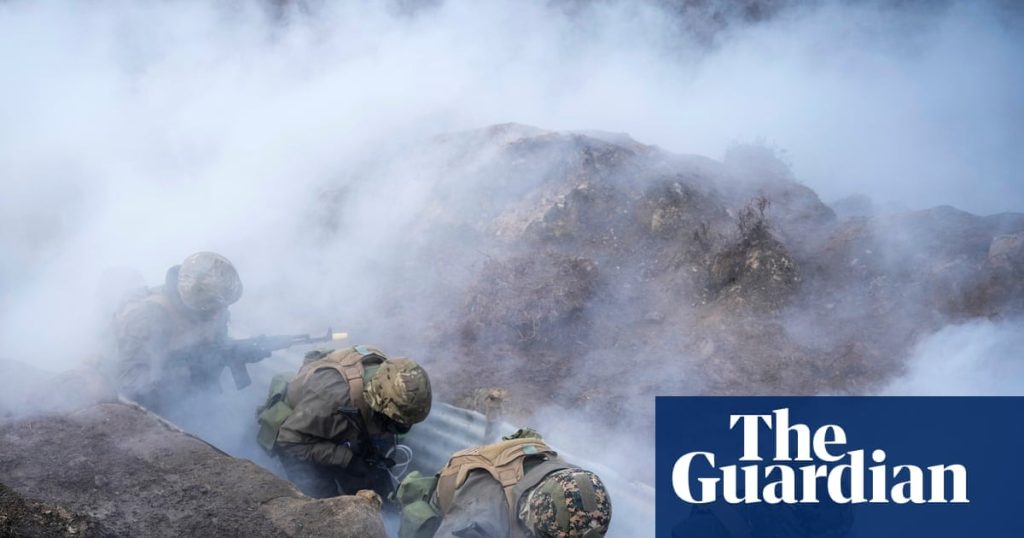
The OPCW said that samples taken from the site of a Russian grenade explosion in a Kyiv trench tested positive for CS, a common tear‑gas agent that is prohibited under the Chemical Weapons Convention when used in armed conflict. “We call for the immediate cessation of the use of any toxic chemicals and of riot‑control agents as a method of warfare in Ukraine,” a statement read, naming senior non‑proliferation officials from Britain, France, Germany, Japan, New Zealand and the EU among the signatories.
Western intelligence agencies had previously warned that Russian troops were sprinkling CS‑filled grenades into Ukrainian trenches to force soldiers into the open, where they could be more easily targeted. Moscow has denied any breach of international law, turning the accusation around by alleging that Kyiv itself is employing prohibited munitions.
Escalating strikes on both sides
Later on Wednesday, Russian ballistic missiles slammed into Kyiv, striking a shopping centre and two additional buildings. Mayor Vitali Klitschko described the scene as a series of loud explosions and urged residents to stay in shelters. Three civilians were injured, one of them in serious condition.
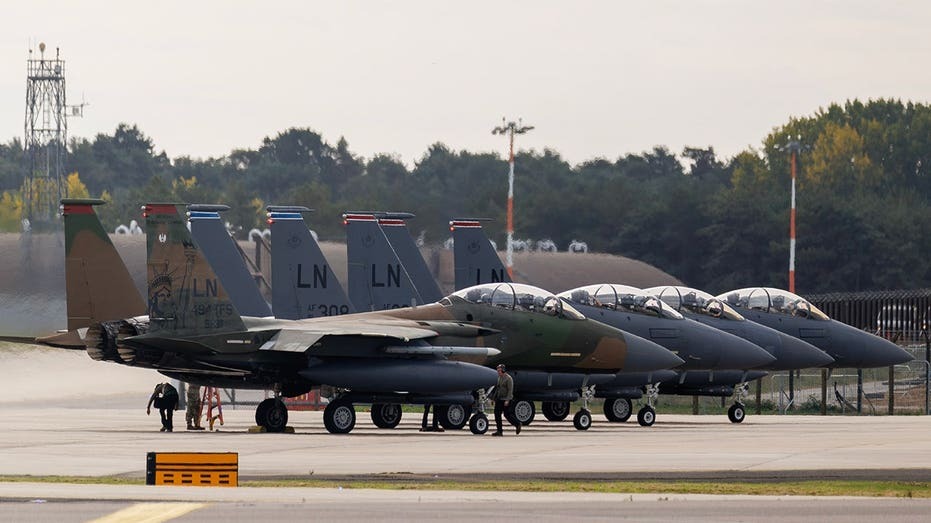
In retaliation, Ukrainian forces claimed a successful long‑range strike on the Savasleyka airbase near Nizhny Novgorod. According to the Ukrainian general staff, the attack damaged five aircraft used to launch missiles and bombs at Ukraine, including three MiG‑31 interceptors and two Su‑34 fighter‑bombers, rendering them inoperable for an unspecified period. Russian officials have not yet responded to the allegation.
German leader frames the conflict as a broader security threat
German Chancellor Friedrich Merz used the day’s developments to warn that Russia is widening its aggressive posture across Europe. Speaking to the Bundestag, Merz defended his government’s plan to increase defence spending and maintain financial aid for Kyiv, while confronting criticism from both the far‑right and far‑left that the aid should be cut. “It cannot be said often enough, against the far right as much as the far left: Russia knows exactly what it wants. And Russia wants more than Ukraine,” he said, adding that Russian activity is escalating in the Baltic region, Poland, the Black Sea, even in space.
Opposition parties in Germany have seized on the rising cost of aid, calling for a reassessment of support for Kyiv. Merz countered that the stakes extend far beyond Ukraine’s borders, warning that unchecked Russian aggression could destabilise the entire continent.
The combination of chemical‑weapon accusations, renewed air strikes and diplomatic pressure underscores how the war in Ukraine continues to draw in a widening circle of international actors, each grappling with how to respond to a conflict that now blurs the line between conventional and prohibited warfare.
Source: The Guardian
Spotted an error? Report an error or use our contact form | Corrections policy