
By NewsWaveUSA Team | Published: November 24, 2026 · 3:19 PM ET | Last updated: November 24, 2026 · 3:44 PM ET
Source: BBC News
U.S. Attorney General Todd Blanche praised Nvidia as a responsible company but declined to confirm whether the Justice Department or FBI were probing the chipmaker or its CEO, Jensen Huang. The refusal comes as Congress prepares to question Huang about ties to a Singapore‑based firm accused of funneling advanced chips to China, and as former President Donald Trump is reported to have intervened in Huang’s reinstatement after a scandal involving alleged Chinese espionage.
Attorney General skirts inquiries about Nvidia probe
When pressed on Tuesday about any ongoing investigations into Nvidia or its chief executive, Attorney General Todd Blanche answered, “I’m not aware of what you’re referring to.” The comment followed a series of requests from lawmakers seeking clarity on whether the Justice Department or FBI were examining the company’s export practices or Huang’s security clearance after his controversial return to the helm.
Blanche emphasized that the Justice Department handles “hundreds, if not more” export‑control cases at any given time, suggesting that a specific inquiry into Nvidia could be lost amid the department’s broader workload. He added that he sees no reason to label Nvidia anything less than a “good corporate citizen,” noting that any criminal investigation or obstruction would contradict the administration’s public messaging.
Huang’s comeback sparks political firestorm
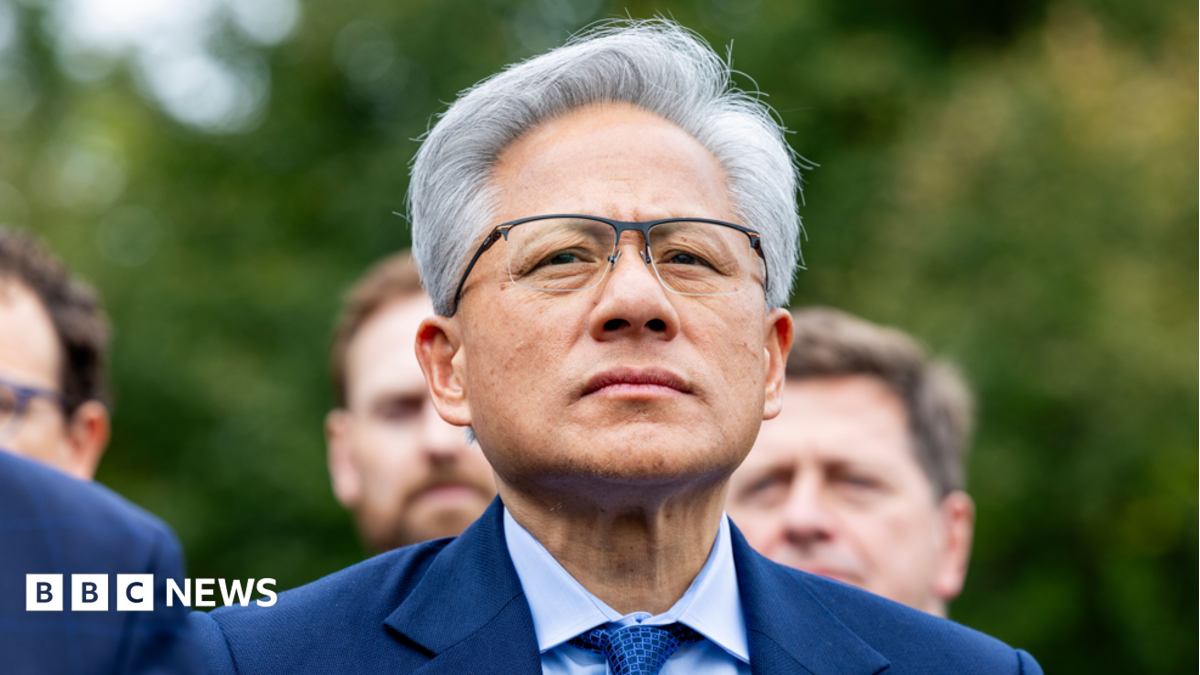
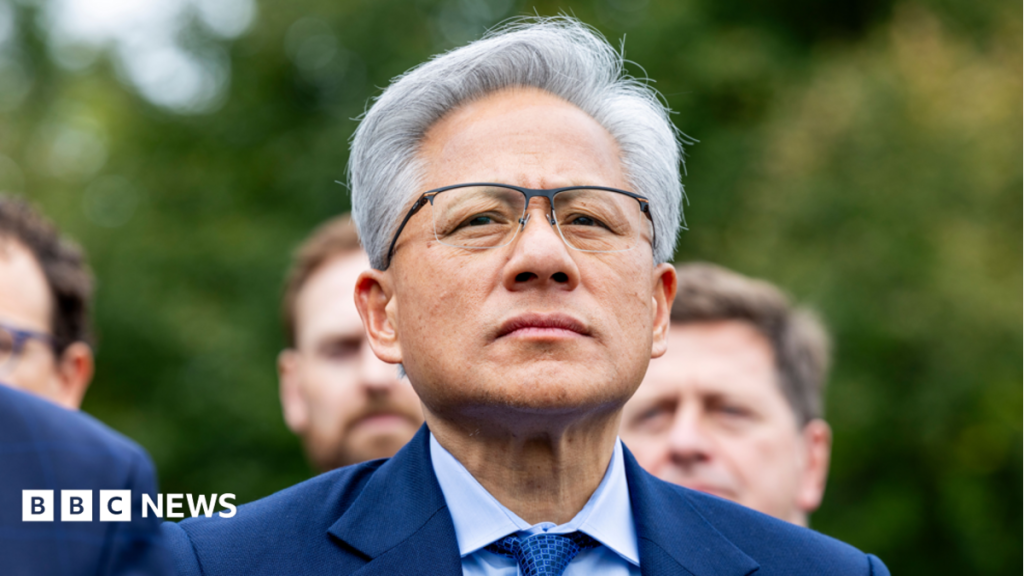
Jensen Huang was reinstated as Nvidia’s CEO less than two weeks after resigning amid revelations of extramarital affairs, one of which allegedly involved a Chinese intelligence operative. The board’s decision, announced on Monday, was framed as being in the “best interests of our stockholders, employees, partners and customers,” according to board chairman Harvey Jones. The company also claimed to have consulted senior U.S. officials and concluded that Huang’s return posed no national‑security threat.
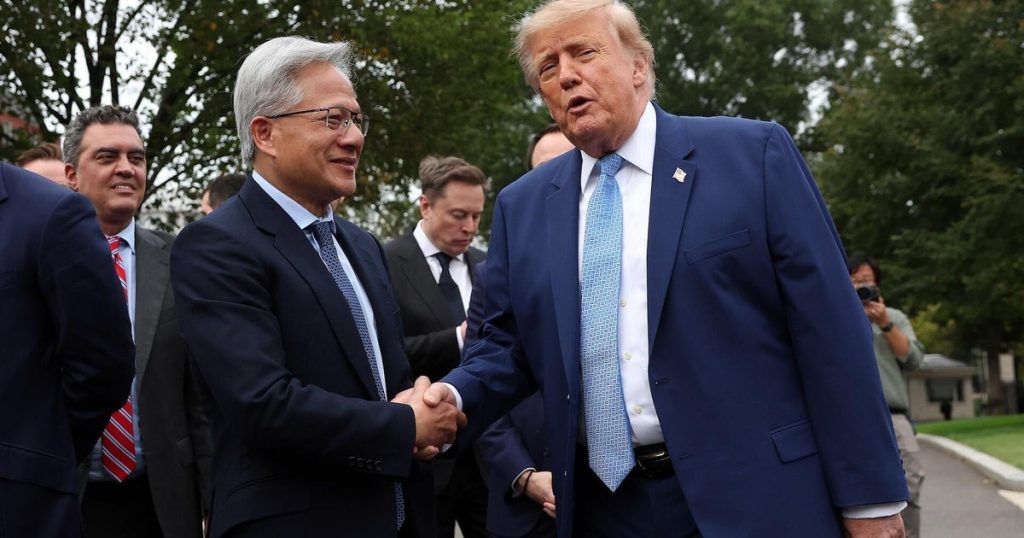
Former President Donald Trump has said he spoke directly with Nvidia’s directors and persuaded them to bring Huang back. That admission has inflamed bipartisan criticism. Republican Rep. Don Bacon argued that Nvidia should have ignored “the Administration’s inexplicable desire to save Huang,” while Sen. Pete Ricketts warned that the CEO’s conduct does not shield the company from security concerns or unanswered questions about diverted chips.
Democrats on the oversight committee are equally uneasy. Rep. Robert Garcia, the incoming chair, warned that Trump’s involvement raises “serious national‑security and corruption questions,” and Sen. Ruben Gallego called for an investigation into any stock trades that may have preceded the announcement.
Megaspeed under export‑control scrutiny
The Commerce Department announced plans to blacklist Megaspeed, a Singapore‑based Nvidia customer accused of helping route advanced chips to China. In a joint statement released last week, the Commerce and Justice departments said they began probing Megaspeed in 2024 for possible export‑control violations. While Blanche declined to comment on whether Nvidia was cooperating with that probe, she reiterated that the company appears to be acting in good faith.
Market reaction
Nvidia’s shares surged after Huang’s reinstatement was first disclosed, but the rally proved short‑lived. Early Tuesday afternoon trading saw the stock dip more than 7 percent, though it remained well above Friday’s closing price before the board’s reversal.
Congressional hearing looming
Huang is slated to appear before Congress next week. Lawmakers plan to question him about his relationship with a former Megaspeed executive—identified in U.S. reports as a suspected Chinese spy—and the broader implications for national security. The hearing is expected to intensify scrutiny of both Nvidia’s export practices and the political maneuvering that facilitated Huang’s return.
Source: BBC News
Spotted an error? Report an error or use our contact form | Corrections policy